The Complete Guide to AI-Generated Fashion Models for Product Shoots
The Rise of Virtual Fashion Models
The concept of virtual models in fashion isn't entirely new — CGI influencers and digital avatars have existed for years. But what's changed dramatically is the quality, accessibility, and practicality of AI-generated models for everyday product photography.
Today's AI can generate photorealistic human models wearing your actual products, in any pose, setting, or style you choose. For e-commerce businesses, this means you can showcase your apparel, accessories, and fashion products on diverse, realistic-looking models without organizing a single in-person shoot.
How AI Model Generation Works
The technology behind AI fashion models combines several advanced AI techniques. First, the system analyzes your product images to understand the garment's shape, texture, color, and drape. Then, it generates a realistic human model with your specified characteristics — body type, ethnicity, age range, hair style, and pose.
The garment is then virtually placed on the model, accounting for how the fabric would naturally fall and wrinkle. Finally, the entire scene is rendered with professional lighting and your chosen background, creating an image that looks remarkably like a traditional fashion photograph.
With Modelize, this entire process takes seconds. You select your product, choose or create a model profile, pick a preset style, and generate. The resulting image syncs directly to your Shopify store.
Diversity and Representation
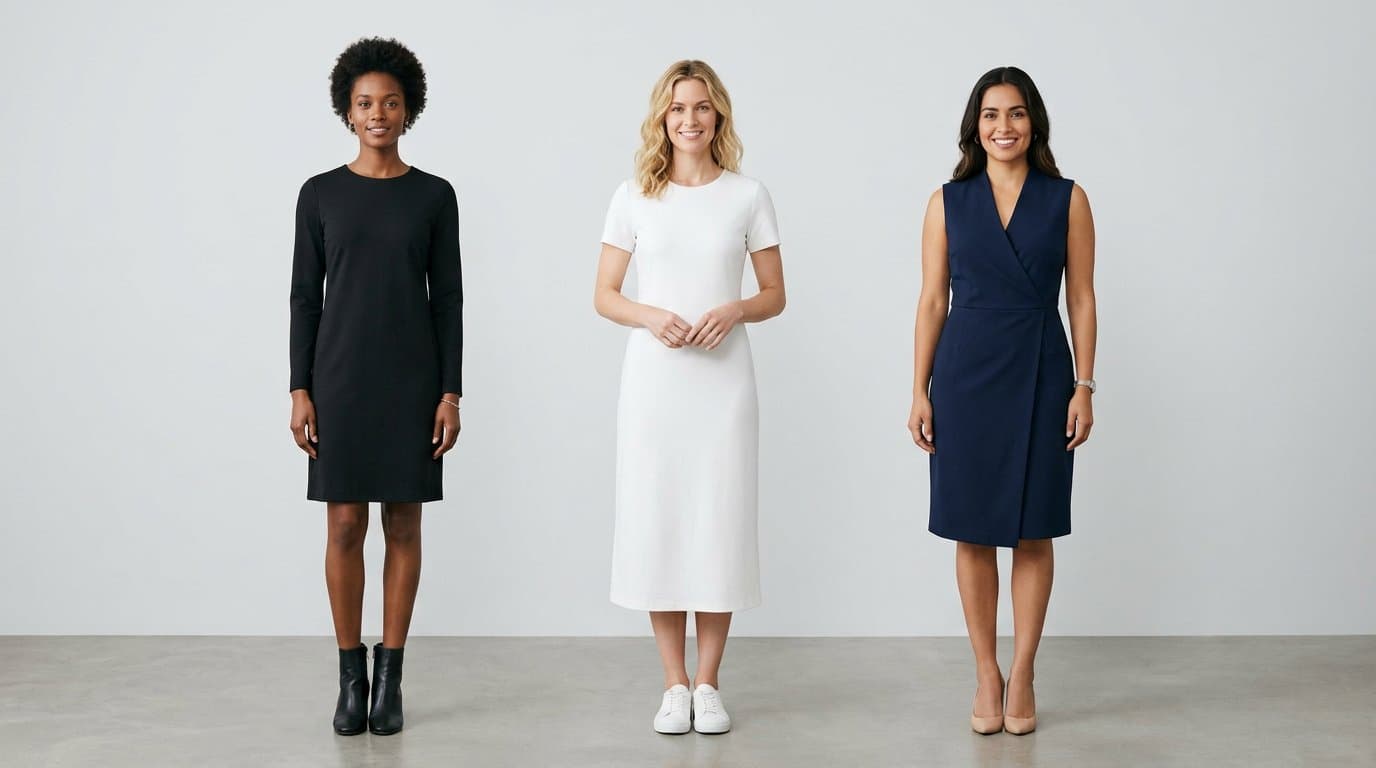
One of the most powerful aspects of AI model generation is the ability to represent diverse body types, ethnicities, and ages without the logistical challenges of booking multiple models for every shoot.
Inclusive representation in product photography isn't just ethically important — it's good business. Research shows that shoppers are more likely to purchase when they can see products on models who look like them. With AI, you can generate images featuring a wide range of models, helping every potential customer visualize themselves in your products.
This level of diversity in traditional photography would require booking multiple models for every single product, dramatically increasing costs and production time. AI makes true representation financially practical for businesses of every size.
Customization and Brand Consistency
AI-generated models can be customized to match your brand's specific aesthetic. Whether your brand targets a young, urban demographic or a mature, professional audience, you can create model profiles that reflect your customer base.
Key customization options typically include body type and measurements, ethnicity and skin tone, hair style, length, and color, facial features and expressions, pose and body language, and age range.
Once you create a model profile that matches your brand, you can reuse it across your entire catalog. This ensures visual consistency — every product is shown on models with the same aesthetic, creating a cohesive lookbook feel across your store.
Ethical Considerations
As with any AI technology, the use of AI-generated fashion models raises important ethical questions that brands should consider carefully.
Transparency is key. While AI-generated images are often indistinguishable from real photographs, brands should be thoughtful about disclosure. Many forward-thinking companies note when AI models are used, building trust through honesty rather than deception.
There's also the question of impact on real models and photographers. AI tools are best positioned as complements to human talent rather than replacements. They're ideal for scaling existing content, creating quick iterations, and making professional photography accessible to smaller businesses that couldn't otherwise afford it.
Data and privacy considerations matter too. When using AI to generate models based on specific characteristics, it's important to use tools that are trained responsibly and don't reproduce or copy real individuals without consent.
Getting Started with AI Fashion Models
If you're ready to explore AI-generated models for your product photography, here's a practical roadmap.
Start by identifying which products in your catalog would benefit most from model photography. Typically, these are apparel items, accessories, and anything a customer would wear or carry. Upload a few product images and experiment with built-in model presets to see how the technology works with your products.
Next, create custom model profiles that match your brand's target demographic. Use these consistently across related product lines to build a cohesive visual identity.
Finally, integrate AI-generated model images alongside your existing product photography. You don't need to replace everything at once — start with new arrivals or products that lack model photography entirely, and expand from there.
The Future of Fashion Photography
AI-generated fashion models represent a fundamental shift in how product imagery is created. They make professional model photography accessible to businesses of every size, enable unprecedented diversity in representation, and dramatically reduce the time and cost of content production.
As the technology continues to improve, the line between AI-generated and traditionally photographed images will become increasingly difficult to distinguish. The brands that embrace this technology thoughtfully — maintaining ethical standards while leveraging its practical benefits — will be best positioned to create compelling, inclusive, and scalable visual content.
More in Industry Guides
View all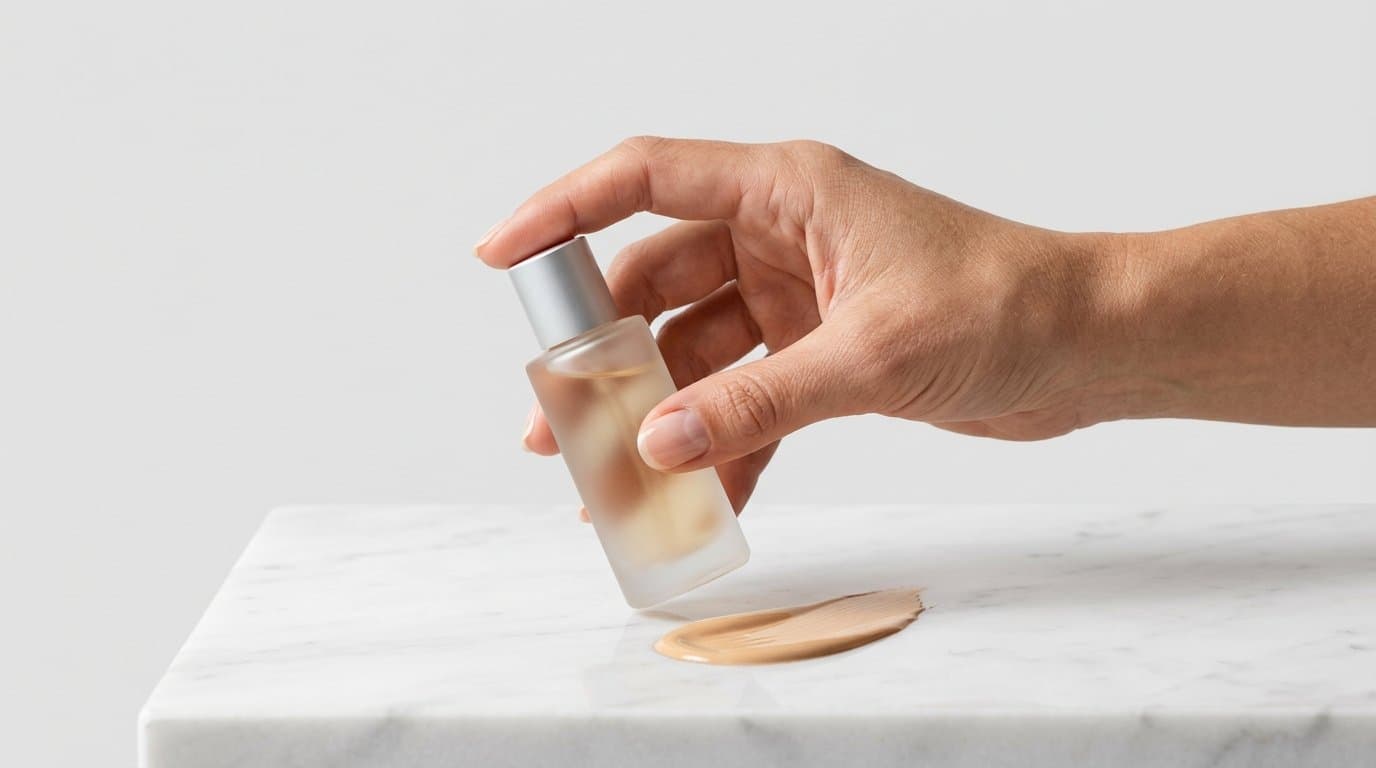
AI Product Photography Strategies for Shopify Beauty and Cosmetics Brands
From hyper-realistic shade swatches on diverse models to macro texture shots of serums and powders, learn how cosmetics brands are leveraging AI to scale their visual content.
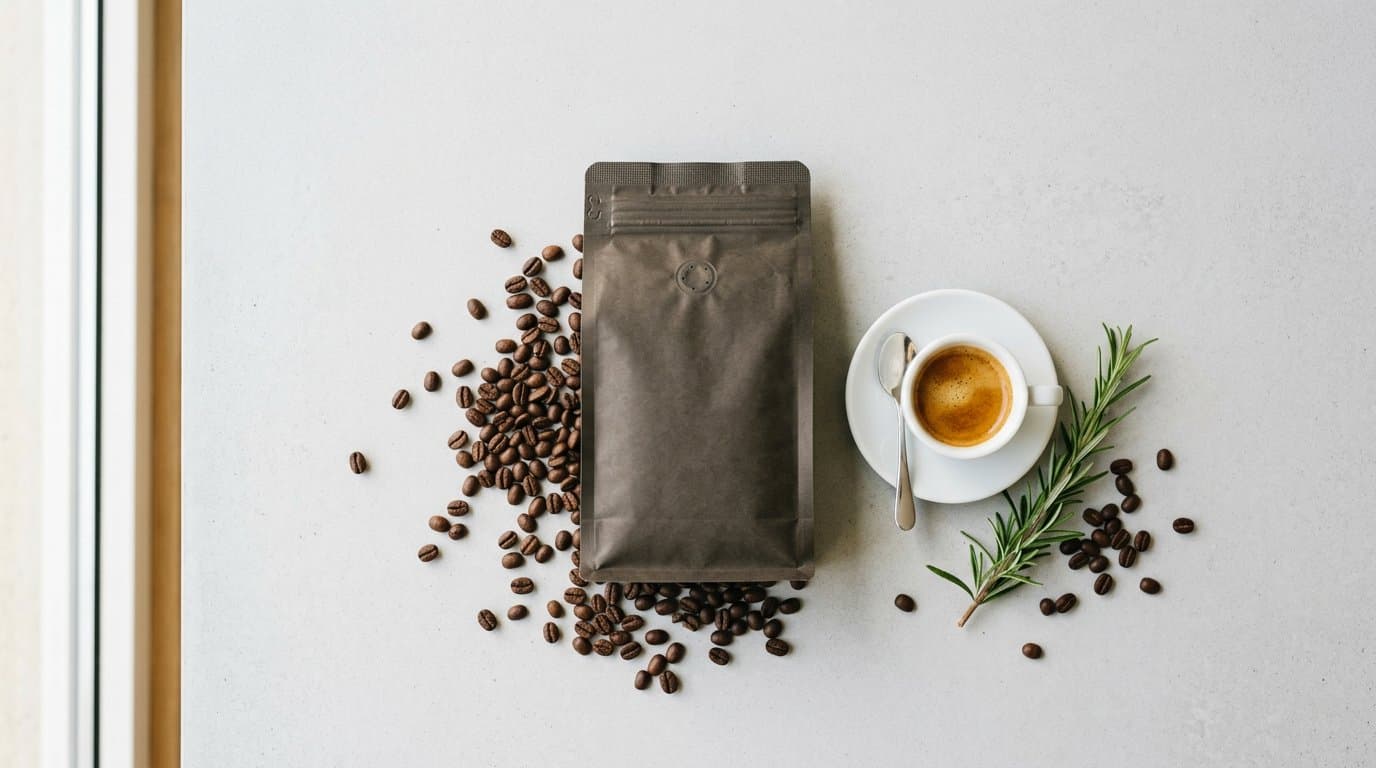
AI Product Photography for Food and Beverage Brands
How food and beverage e-commerce brands can use AI photography to create appetizing product images that drive online sales and reduce production costs.
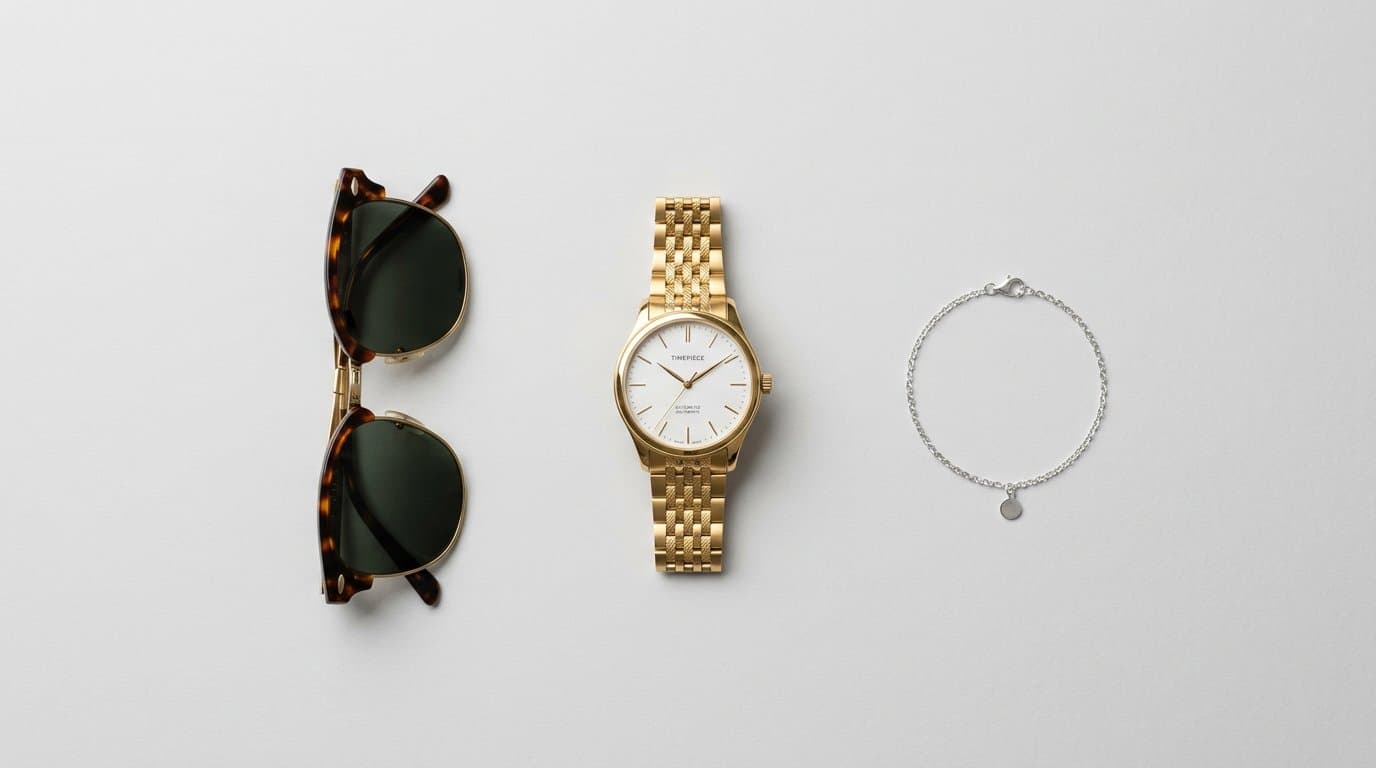
AI Product Photography for Jewelry, Accessories, and Small Items on Shopify
Specific tips and techniques for using AI product photography on jewelry, watches, sunglasses, and small accessories. Get the details right for high-value items.
Generate Stunning Product Photos with AI
Modelize is a Shopify app that creates professional product images in seconds - AI models, backgrounds, and more. No photoshoot needed.