AI Product Photography for Food and Beverage Brands
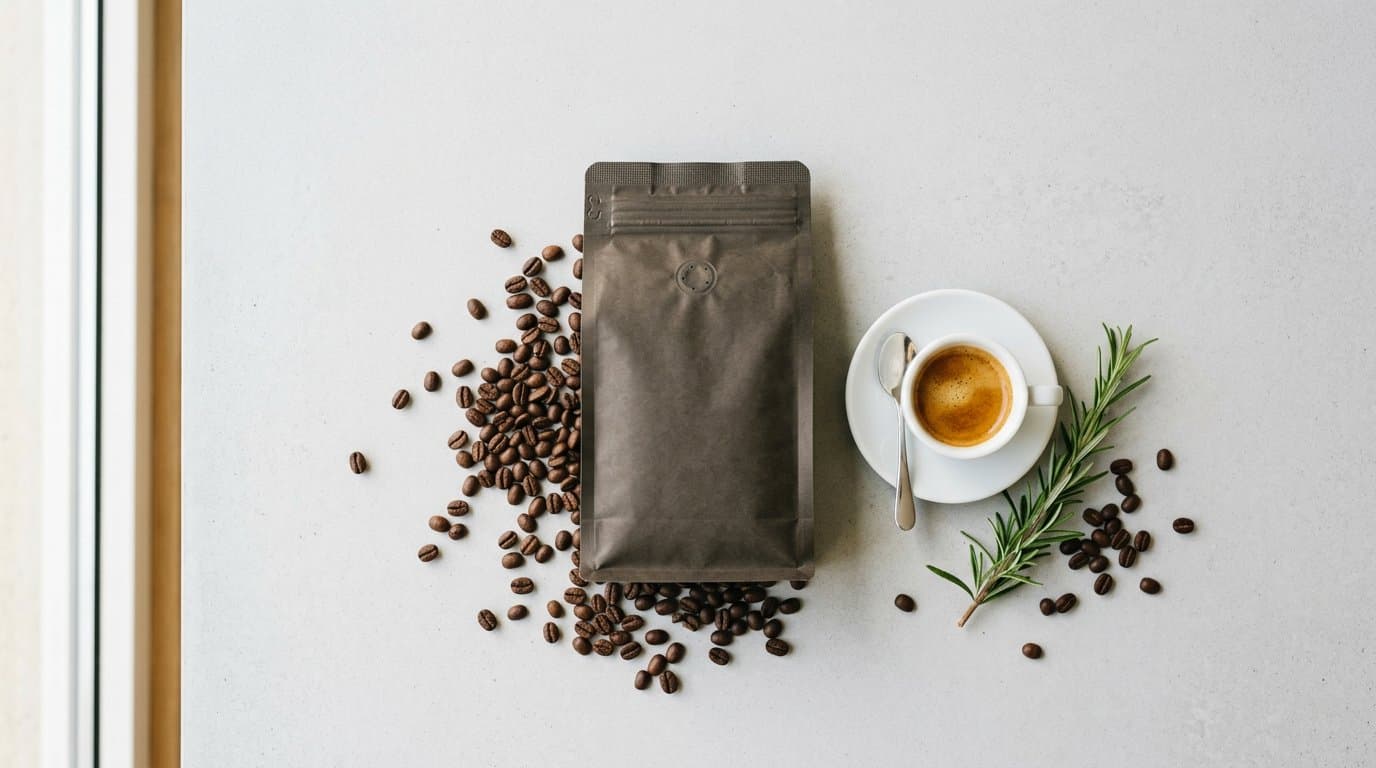
The Unique Challenge of Food Photography
Food and beverage photography is one of the hardest disciplines in product photography. Unlike a handbag or a pair of shoes, food doesn't sit still and look good for hours. Ice cream melts, fresh produce wilts, condensation evaporates, and that perfect drip of sauce runs right off the plate.
Traditional food photography involves elaborate tricks — motor oil substituting for syrup, cardboard spacers propping up burger layers, hairspray making fruit glisten. It's expensive, time-consuming, and requires specialized skills that most e-commerce brands don't have in-house.
For food and beverage brands selling online, this creates a real problem. Customers can't taste or smell your product — they buy with their eyes. Low-quality product images mean lost sales, no matter how good the product actually is.
Why Good Food Imagery Matters for E-Commerce
The shift to online grocery, direct-to-consumer food brands, and specialty beverage e-commerce has made food photography a critical business need. A 2025 survey found that 75 percent of online food shoppers consider product imagery the single most important factor in their purchase decision.
This makes sense intuitively. We eat with our eyes first. An appetizing, well-styled image of your gourmet coffee, artisan chocolate, or craft hot sauce creates an immediate emotional response that ingredient lists and descriptions simply can't match.
Poor food photography doesn't just fail to attract — it actively repels. Images that look dull, poorly lit, or unappetizing trigger the opposite response. No one wants to buy food that doesn't look good.
How AI Helps Food and Beverage Brands
AI product photography addresses the specific pain points of food and beverage imagery in several powerful ways.
First, AI can generate professional-quality backgrounds and settings that make your product packaging pop. Instead of buying props and setting up elaborate scenes, you can place your coffee bag in a cozy morning kitchen, your hot sauce on a sizzling grill setting, or your wine bottle on a candlelit dinner table — all digitally.
Second, AI handles consistency at scale. If you have 50 products in your line, AI can generate images for all of them in a single day with matching style, lighting, and composition. Traditional food photography at that scale would take weeks.
Third, AI is infinitely patient with unphotogenic products. Not every food product looks great in its packaging. AI can optimize presentation, lighting, and context to make even simple packaging look appealing.
Product Packaging vs Prepared Food
It's important to distinguish between two types of food photography for e-commerce. Packaged product shots show the actual item the customer receives — the bottle, bag, box, or can. Prepared food shots show the product after preparation — the brewed coffee, the plated sauce, the poured drink.
Both serve different purposes in the customer journey. Packaging shots are essential for the main product listing — customers need to know exactly what they're ordering. Prepared food shots create desire and suggest usage occasions. The most effective food e-commerce listings include both.
AI excels at enhancing packaged product shots. Your product packaging already exists and can be easily photographed. AI can then place it in appetizing contexts, add complementary elements like ingredients or serving suggestions, and generate lifestyle scenes that make the product feel premium.
Lighting for Food Products
Even when using AI for post-processing, starting with a good base photograph matters. For food and beverage products, lighting should feel warm, natural, and inviting.
Avoid cool, harsh lighting that makes food look clinical or institutional. Instead, aim for warm-toned light that suggests natural daylight or a cozy indoor setting. Side lighting creates depth and texture, making packaging materials — kraft paper, glass bottles, metallic cans — look their best.
For glass bottles and reflective packaging, watch for unwanted reflections. Position lights at angles that create flattering highlights rather than direct reflections of your light source.
Styling Tips for Food Products
Good food product styling follows a few consistent principles. Keep the composition clean and focused — one hero product with a few supporting elements. Show ingredients, preparation tools, or serving suggestions that hint at the product's use.
Color coordination matters enormously in food photography. The background, props, and supporting elements should complement the product's colors rather than competing with them. A warm-toned granola bag looks great against wood and earth tones, while a bright juice bottle pops against clean white or complementary colors.
Scale and proportion help customers understand your product. Including a familiar object — a hand, a cup, a plate — gives immediate context about the product's size.
Using AI to Create Recipe and Serving Suggestions
One of the most effective uses of AI for food brands is generating styled serving suggestion images. Show your pasta sauce on a beautifully plated dish, your tea in an elegant cup with honey and lemon, or your snack mix in a casual bowl at a party setting.
These images sell the experience of using your product, not just the product itself. They answer the customer's unspoken question: "What will this look like in my life?"
With Modelize, you can generate these contextual scenes from your product packaging photos. This gives food and beverage brands the lifestyle imagery that drives conversions, without the complexity and cost of traditional food styling shoots.
Meeting Marketplace Requirements
Food products sold on Amazon, Walmart Marketplace, and other platforms must meet specific image requirements. Main images typically need white backgrounds with the product clearly visible. Secondary images can include lifestyle scenes and serving suggestions.
AI makes compliance straightforward. Generate clean, white-background packaging shots for your main listing image and appetizing lifestyle scenes for your gallery — all from the same source photo.
Building Appetite Appeal at Scale
The most successful food and beverage e-commerce brands treat their product photography as a strategic asset, not an afterthought. Every image should make the viewer hungry, thirsty, or curious enough to click and buy.
AI makes this level of visual quality achievable at scale. Whether you're launching a single new flavor or managing a catalog of hundreds of products, AI helps you create the appetizing, professional imagery that turns browsing into buying.
Generate Stunning Product Photos with AI
Modelize is a Shopify app that creates professional product images in seconds - AI models, backgrounds, and more. No photoshoot needed.