How AI Shopping Agents Evaluate Your Shopify Product Photos
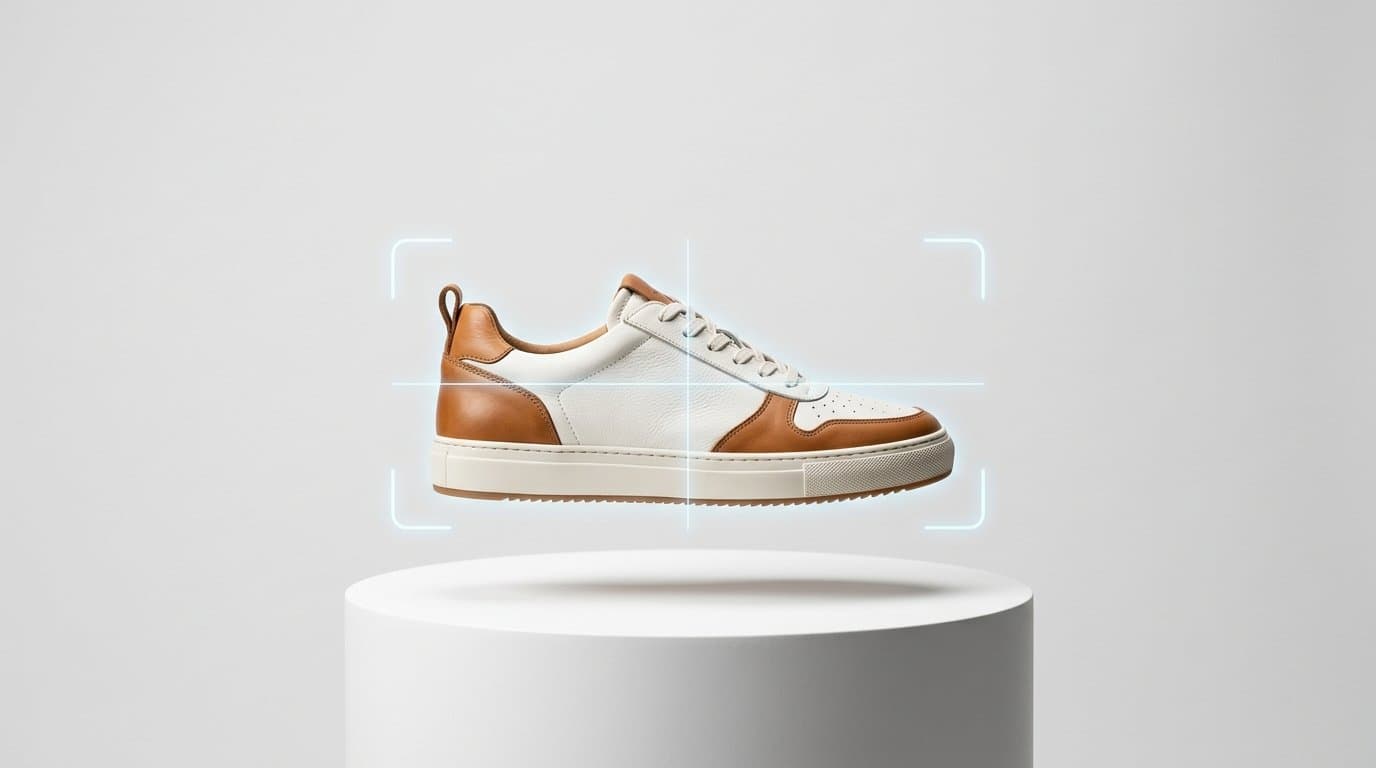
The New Gatekeepers of E-Commerce Discovery
We are witnessing a fundamental shift in how people buy things online. Your customer is no longer typing disjointed keywords into a search bar and scrolling through endless pages of sponsored links. They are asking AI assistants highly specific questions. A shopper might ask Perplexity for the best waterproof hiking boots under $150 that come in wide sizes. They might take a photo of a friend's mid-century modern armchair and drop it directly into Google's Gemini shopping agent. These AI tools act as strict digital middlemen. They read the query, scour the web, and surface a curated selection of products directly in the chat interface.
Shopify recognized this massive behavioral shift during their Summer Editions 2026 rollout. The platform heavily pushed a concept called Agentic Commerce, introducing tools like the Universal Commerce Protocol and the global Shopify Catalog to pipe merchant inventory directly into these AI ecosystems.
This means a machine is evaluating your merchandise before a human ever gets the chance.
We've seen brand owners pour thousands of dollars into targeted social media ads while completely ignoring how computer vision models interpret their product pages. That is a dangerous oversight. Text descriptions and structured metadata handle only part of the equation. Search engines and AI shopping tools now look directly at your photos to confirm that the physical item matches the user's intent. If your product imagery fails the algorithm's visual assessment, your listing simply gets buried.
From Keyword Bidding to Algorithmic Curation
Traditional search optimization relied almost entirely on text. You stuffed titles with relevant keywords, wrote lengthy product descriptions, and acquired backlinks to build authority. The visual components were largely treated as secondary assets meant strictly for human conversion. You added a brief alt-text description to an image and called it a day.
AI shopping agents operate on a completely different architecture. They utilize multimodal processing to understand text, pricing data, and raw pixel information simultaneously. When Perplexity curates a shopping response, it actively filters products based on how well the image data aligns with the textual claims. If a user requests a "minimalist matte black ceramic vase," the AI expects to visually verify a lack of gloss and a smooth, unadorned silhouette.
Shoppers are actively driving this change by using their smartphone cameras as search engines. Industry data showed that 36% of online shoppers had already used visual search by 2025, and that number continues to climb rapidly. A customer's photo is now a search query. They expect the AI to scan their uploaded image, identify the visible features like color blocks or distinct design elements, and find an exact match in your catalog.
Your photography is no longer just a sales tool. It is structural data.
What Machine Vision Actually Sees
Algorithms do not experience visual aesthetics like humans do. A buyer might look at a moody, dimly lit photograph of a leather tote bag and feel a sense of luxury. A computer vision model looks at that same image and sees an unreadable blob of dark pixels. It cannot confidently identify the bag's edges. When an AI shopping agent scans your catalog, it converts images into mathematical vectors called embeddings. These embeddings map visual features and score your image on legibility. High legibility means high confidence, which directly translates to your product being recommended.
Three specific criteria dictate how these systems score your product photos.
First is subject separation. The model needs to instantly determine where the physical product ends and the background begins. If you sell intricately patterned dresses photographed against equally busy floral wallpaper, the algorithm struggles to isolate the garment. This lack of isolation destroys algorithmic confidence. The system might mistakenly tag the image as "wallpaper" instead of "apparel." You want a distinct, high-contrast separation between the item being sold and the space behind it.
Contextual clarity is the second major factor. Lifestyle photography remains crucial for conversion, but the setting must make logical sense to the artificial intelligence. Imagine you are selling heavy-duty alpine camping tents. If your lifestyle image features the tent pitched on a pristine white beach with zero camping gear around it, the visual tags will conflict. The AI sees sand and ocean. The text says "alpine winter tent." Conflicting signals lower your ranking. Computer vision favors predictable environments that reinforce the product's category.
We frequently see issues here with older generative tools. Early iterations of apps like Pixelcut or Botika sometimes generated surreal, slightly warped backgrounds that looked acceptable at a glance but contained bizarre artifacts upon closer inspection. AI shopping agents notice those anomalies. A desk chair floating two inches above a hardwood floor flags the image as low-quality or untrustworthy data.
Finally, clean studio backgrounds still rule the baseline data. Pure studio shots provide the raw, unfiltered pixel data that AI agents use to verify product specifications. They look for artifact-free backgrounds and highly even lighting. Deep shadows can be used beautifully for artistic depth, but harsh, dramatic lighting often obscures the actual color palette. If a shopper specifically requests "mustard yellow throw pillows," the AI will prioritize images where the color values are evenly lit and easily measurable.
The Visual SEO Playbook for 2026
Optimizing your images for artificial intelligence is the new frontier of search visibility. You cannot rely on written tags alone to carry the weight of discovery. You need a deliberate strategy for how your visual assets are constructed, organized, and syndicated across your sales channels.
Start by strictly standardizing your primary gallery shots. A consistent visual structure across your entire catalog trains these indexing bots to understand exactly what you sell. If your first image is always a brightly lit, front-facing product shot on a neutral background, the AI learns to trust your formatting. This is precisely why we built Modelize to generate professional on-model and studio photography. Our platform produces the clean, standardized assets that computer vision algorithms favor heavily, giving merchants a direct advantage in algorithmic discovery without the massive expense and inconsistency of traditional photoshoots. By controlling the exact lighting and background isolation, you feed the AI exactly what it wants to see.
Variant mapping is another critical area requiring immediate attention. Shoppers are highly specific when interacting with conversational agents. They will request a "forest green waterproof dog coat in size large." If your product page only shows the red version and relies on a tiny text dropdown for the green option, the AI shopping agent will likely pass over your listing. It wants visual proof. You must upload distinct, high-quality images for every single color and material variant. Make sure these variant images are properly linked to their respective SKUs in your Shopify admin.
Stop putting promotional text overlays on your primary images. Badges that shout "Bestseller" or "20% Off Summer Sale" might help catch a human eye on a crowded collection page, but they severely confuse machine vision models. These overlays disrupt the product's natural lines and introduce text where the algorithm expects to find physical textures. An AI trying to measure the shape of a running shoe will get tripped up by a giant red circle covering the heel. Keep the primary image pristine. Save the promotional graphics for secondary carousel slots or social media campaigns.
Image framing and cropping ratios also impact how models read your files. Machine vision systems often crop and scale images during the embedding process. If your product is pushed all the way to the very edge of the frame, parts of it might get cut off when the AI resizes the image for analysis. Always keep the subject dead center with a generous, uniform margin of negative space around it. This ensures the entire silhouette remains visible regardless of how the system processes the file.
Preparing Your Catalog for Agentic Commerce
The integration of AI shopping assistants into daily consumer habits is accelerating much faster than many anticipated. Platforms like Perplexity now feature direct checkout capabilities for premium users, allowing them to complete purchases using saved payment and shipping details straight from the chat interface. Users can find, evaluate, and buy a product without ever visiting your actual storefront.
Your product photos are now functioning as your entire website.
Shopify's latest updates laid the groundwork for this new reality, giving merchants the infrastructure to syndicate rich product data directly into these AI networks. However, the brands that actually capture these automated sales will be the ones that treat their imagery as a functional database. Every photo must serve a distinct communicative purpose.
Review your current photography through the exact lens of a machine. Does the lighting accurately reflect the true color values? Is the item clearly isolated from its surroundings without weird blending issues? Does the lifestyle context logically match the product's intended use?
Fixing these structural issues does not mean you have to sacrifice all creativity. You can still maintain a highly distinctive brand identity. You just need to ensure that your creative execution does not interfere with basic visual legibility. High-quality, perfectly lit, contextually accurate photos satisfy both the human buyer's desire for aesthetic appeal and the AI agent's need for strict, verifiable data.
The era of manual browsing is giving way to automated curation. The stores that thrive over the next few years will be the ones that learn to communicate perfectly with the machines doing the shopping. Take the time this quarter to audit your visual assets thoroughly. Rebuild your product galleries with absolute clarity in mind. The algorithms are already looking at your store. Make sure they see exactly what you want them to see.
Generate Stunning Product Photos with AI
Modelize is a Shopify app that creates professional product images in seconds - AI models, backgrounds, and more. No photoshoot needed.